What Is ABA Therapy and Is It Right for My Child?
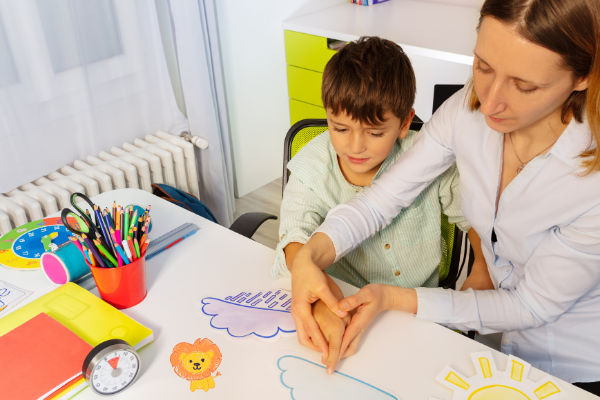
As parents, we all want the same thing to help our children thrive, build confidence, and develop the skills they need to navigate everyday life.
Sometimes, however, we notice that our child may need a little extra support. Perhaps they find it difficult to communicate their needs, participate in group activities, follow routines, manage transitions, or connect with peers. These concerns can leave parents wondering where to start and what support options are available.
One approach that many families explore is ABA Therapy, but what exactly is it, and how do you know if it is right for your child?
Understanding ABA Therapy
ABA stands for Applied Behavior Analysis, an evidence-based approach that focuses on understanding how children learn and developing skills that help them participate more independently in daily life.
At its heart, ABA is not about changing who a child is. It is about helping children build meaningful skills that support communication, learning, social interaction, independence, and confidence.
Every child learns differently, which is why effective ABA programs are individualized and designed around each child's strengths, interests, and goals.
What Skills Can ABA Therapy Support?
ABA-based strategies can help children develop skills in many areas, including:
Communication and language
Social interaction and play
Attention and engagement
Daily living skills
Emotional regulation
School readiness
Independence and self-help skills
These are the skills that help children participate successfully at home, at school, and within their communities.
Is ABA Therapy Only for Autism?
This is one of the most common questions parents ask.
While ABA Therapy is often associated with Autism Spectrum Disorder (ASD) and is widely recognized as an evidence-based intervention for autistic individuals, ABA principles can also support children with a variety of learning and developmental needs.
Families may explore ABA-based support for children who experience challenges related to:
Autism Spectrum Disorder (ASD)
Attention Deficit Hyperactivity Disorder (ADHD)
Down Syndrome
Learning Disabilities
Social communication difficulties
Emotional regulation challenges
Delays in adaptive or independent living skills
Rather than focusing on a diagnosis alone, ABA focuses on helping children develop practical skills that improve everyday participation and quality of life.
How Do I Know If My Child Might Benefit From Additional Support?
Every child develops at their own pace, and having a challenge in one area does not automatically mean there is a problem.
However, some parents may choose to seek guidance if their child consistently experiences difficulties with:
Communicating wants and needs
Following directions
Participating in group activities
Playing with peers
Managing transitions between activities
Building life skills “Dressing, toileting, eating, using money etc.”
Staying engaged in learning activities
Tolerating different stimuli
Reducing challenging behavior
If you have concerns, speaking with qualified professionals can help you better understand your child's strengths and identify ways to support their development.
It's important to note that ABA providers do not diagnose medical or developmental conditions. Diagnosis should always be conducted by appropriately qualified healthcare professionals.
What Does Modern ABA Therapy Look Like?
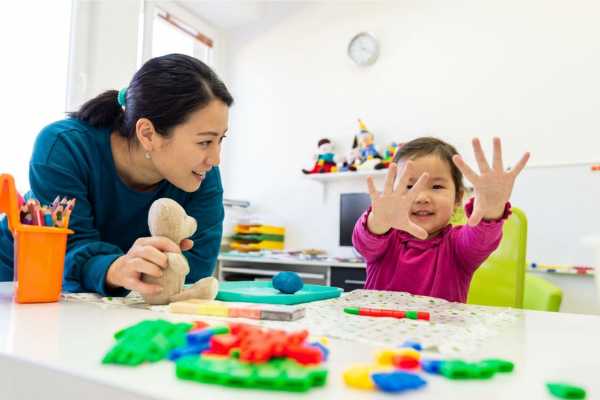
Many parents are surprised to learn that ABA is often play-based, engaging, and woven into everyday activities.
A child may be learning through:
Play
Games
Social interaction
Daily routines
Community experiences
Group activities
At Building Bridges Bangkok, programs are designed to help children learn meaningful skills that can be used in real-life situations while collaborating closely with families and schools to support long-term success.
Support Beyond Individual Therapy

Every child has unique needs, which is why support can look different from one family to another.
Some children benefit from:
1:1 ABA Therapy
Individualized sessions focused on communication, independence, behavior support, attention, and daily living skills.
Small Group Therapy
Opportunities to practice social interaction, communication, turn-taking, and group participation with peers.
School Readiness Programs
Supporting children as they prepare for classroom expectations, routines, communication, and independent learning.
Parent Training and Support
Helping families build confidence and practical strategies that can be used in everyday life.
A Family-Centered Approach
One of the most important aspects of any intervention is partnership.
Children spend most of their time with their families, which is why parent involvement plays such an important role in supporting progress. When caregivers understand how children learn and feel confident using strategies at home, learning opportunities naturally become part of everyday life.
Is ABA Therapy Right for My Child?
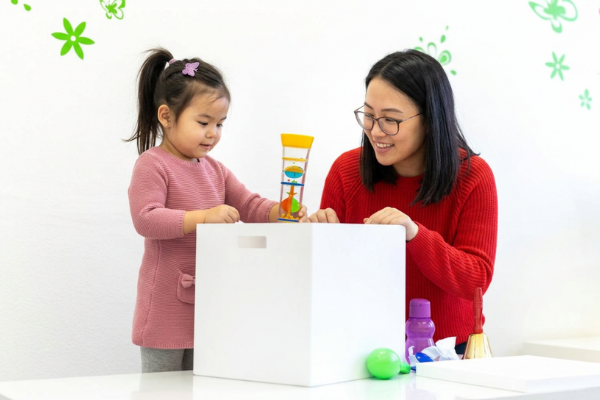
There is no one-size-fits-all answer.
The better question may be:
"Would my child benefit from additional support in developing communication, social, learning, or independent living skills?"
For many families, exploring support early can provide clarity, guidance, and practical strategies that help children build confidence and reach their potential.
If you would like to learn more about ABA Therapy, School Readiness Programs, Small Group Therapy, or Parent Support services, you can learn more about Building Bridges Bangkok on
BKKkids: https://www.bkkkids.com/listing/building-bridges-bangkok/